 Racing Santander Hub
Recent Form Overview
Racing Santander's recent performances have been a mix of promise and frustration. While the team has displayed a solid defensive structure, there have been instances where they struggled to convert possession into meaningful goal-scoring opportunities. The midfield, often the engine room of any successful team, has shown both creativity and inconsistency, which has affected their overall attacking rhythm.
Defensive Solidity
One of the standout aspects of Racing Santander's recent form has been their defensive organization. The backline, anchored by experienced players, has managed to maintain a respectable number of clean sheets, showcasing their ability to read the game and neutralize opposing threats. However, while the defense is commendable, there are still moments of vulnerability, particularly when facing pacey wingers or quick counter-attacks.
Midfield Dynamics
The midfield has been a point of contention, with a tendency to play too conservatively at times. Racing could benefit from introducing a more dynamic presence in the center of the park, perhaps by allowing a more adventurous midfielder to push forward and support attacks. This shift could help bridge the gap between defense and attack, ultimately creating more goal-scoring opportunities for the forwards.
Suggested Tactical Tweaks
1. Fluid Front Three: The current formation often sees the forwards isolated, making it difficult for them to link up effectively. Implementing a fluid front three, where wingers occasionally cut inside and forwards rotate positions, could confuse defenders and create space. This requires the wingers to be more versatile, capable of both crossing and taking on defenders 1v1.
2. Inverted Full-Backs: Another tactical adjustment could involve the full-backs adopting more inverted roles during offensive phases, allowing them to drift into midfield. This would help in maintaining possession and creating overloads, particularly against teams that press high. It’s important that the central midfielders are disciplined enough to cover the spaces left behind.
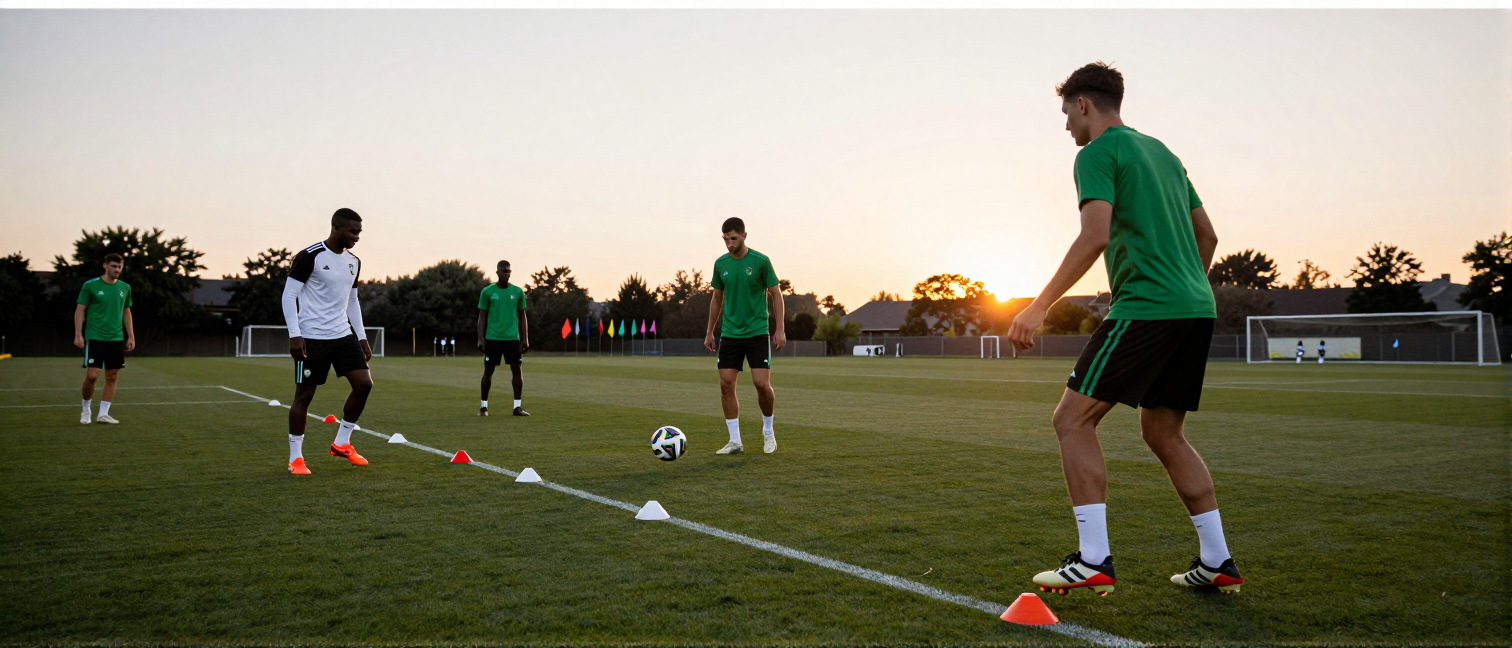
3. Enhanced Pressing Strategy: Currently, the team's pressing seems sporadic, often allowing opponents to build play from the back. A more coordinated pressing scheme, where players move in unison to cut off passing lanes, could lead to more turnovers and quick attacking transitions. Training sessions should focus on honing this collective pressing approach, making it a more integral part of their game plan.
4. Set-Piece Optimization: Set-pieces have the potential to be a significant source of goals for Racing Santander. By developing varied routines that exploit specific weaknesses in opponents' defenses, the team can become more lethal in dead-ball situations. This could involve rehearsing different approaches for both attacking and defending set-pieces, ensuring that players are prepared for various scenarios.
Conclusion
While Racing Santander has shown resilience and potential, implementing these tactical tweaks could elevate their performance in the league. As the season progresses, it will be crucial for the coaching staff to remain adaptable, ready to refine strategies that play to the team's strengths while addressing current weaknesses. By fostering a more dynamic and cohesive approach, Los Verdiblancos can aim for more consistent results and climb the league standings.